The construction industry is increasingly examining how concrete can meet structural requirements while using cementitious materials more efficiently. Since Portland cement clinker is an important contributor to the embodied carbon associated with concrete, supplementary cementitious materials have become relevant to discussions around lower-clinker binder systems.
This is one reason GGBS Cement manufacturers and suppliers are important within modern concrete supply chains.
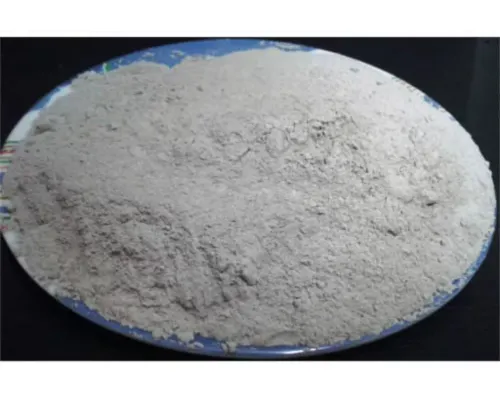
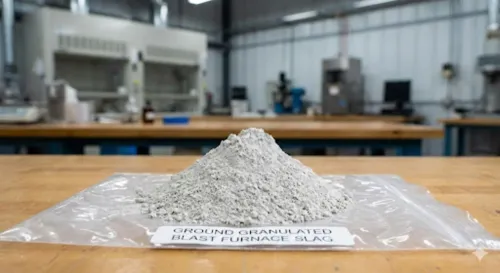
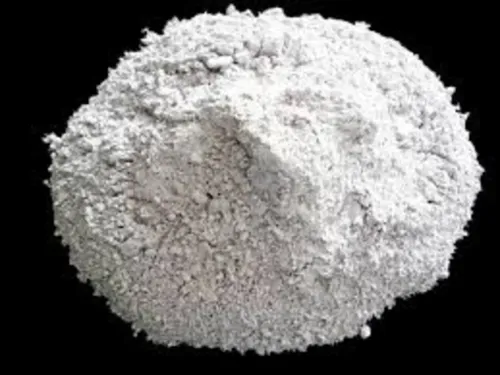
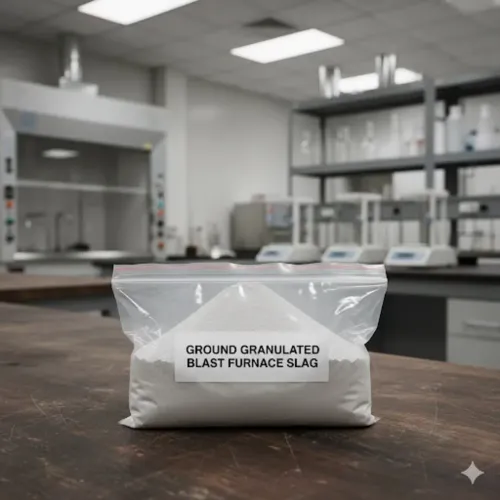
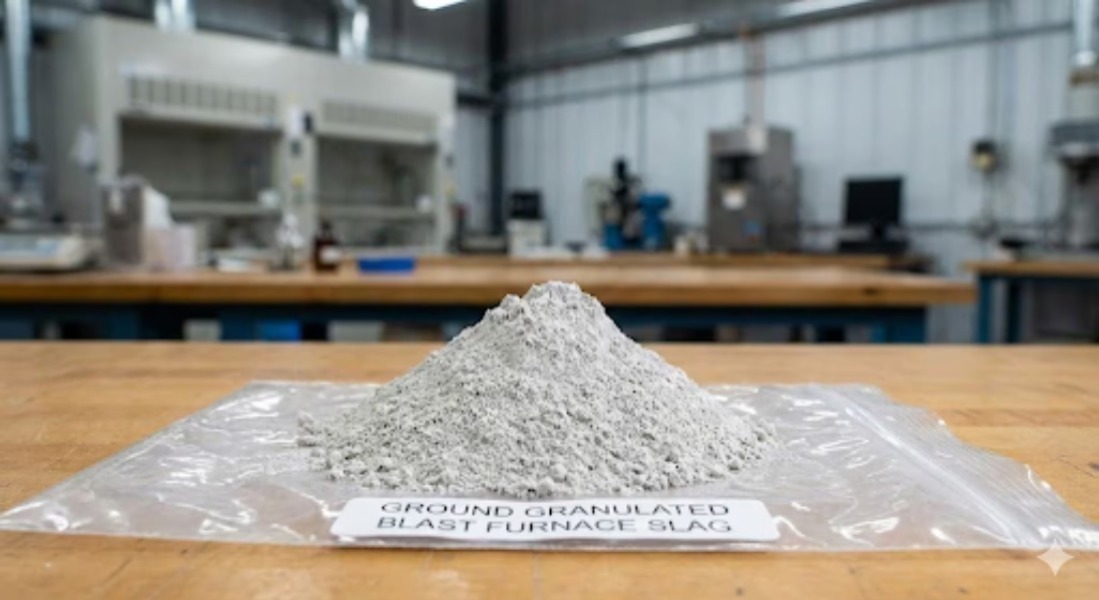
Ground Granulated Blast Furnace Slag can be incorporated into suitable cementitious systems as a supplementary material. Its role should be evaluated through technical specifications and performance requirements rather than assuming that every project can use the same replacement level.
Understanding the Clinker Reduction Principle
Conventional Portland cement relies heavily on clinker.
Supplementary cementitious materials can allow part of the cementitious binder system to be provided through other materials while maintaining required concrete properties when the mix is appropriately designed.
GGBS is one such material.
The amount that can be incorporated depends on factors such as:
- Required strength
- Early-age performance
- Exposure conditions
- Cement chemistry
- Construction schedule
- Curing conditions
- Applicable standards
- Project specifications
Consequently, clinker reduction should be approached as an engineering exercise rather than a simple substitution calculation.
Performance Still Comes First
Sustainability objectives do not replace structural and durability requirements.
Concrete must still achieve the properties specified by engineers and project owners. This includes appropriate fresh-concrete behaviour, strength development, dimensional stability, durability, and construction practicality.
Trial mixes can help establish whether a proposed GGBS proportion delivers the required performance.
For RMC plants, this evaluation may involve checking slump retention, admixture response, setting behaviour, early strength, later-age strength, and other project-specific parameters.
Where GGBS Can Fit Into Construction Planning
Different construction segments may consider GGBS for different reasons.
Infrastructure contractors may focus on durability and thermal characteristics. RMC producers may evaluate workability, consistency, and mix economics. Developers may consider project sustainability requirements. Cement manufacturers may assess GGBS as part of blended cementitious products.
These different priorities explain why there is no universal 'ideal' GGBS percentage.
Supply Planning Is Part of Material Strategy
A binder design is practical only when its constituent materials can be supplied consistently.
Large projects may consume significant quantities of cementitious materials every day. Procurement teams therefore need to align expected consumption with storage capacity, replenishment frequency, transport planning, and project timelines.
Nagpur's position within Maharashtra makes regional logistics an important consideration for construction-material procurement serving projects across central India.
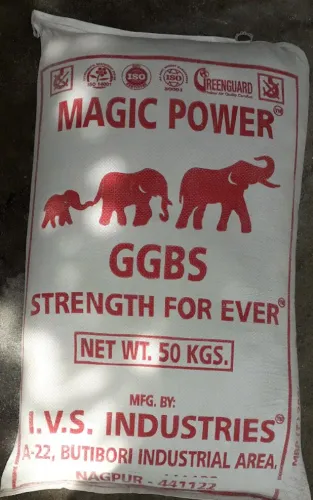
IVS Industries participates in this supply environment by serving industrial and construction buyers requiring GGBS for defined applications.
Avoid Treating Sustainability Claims as Automatic
Using GGBS does not make every concrete mix environmentally optimized by default.
A meaningful assessment may need to consider binder quantity, material sourcing, transport, concrete performance, service life, waste reduction, and project-specific environmental objectives.
Similarly, increasing replacement without evaluating early-age requirements could create practical issues where rapid formwork cycles or early loading are important.
Engineering requirements should therefore determine the final formulation.
Questions Buyers Commonly Ask
Is GGBS the same as ordinary cement
No. GGBS is a supplementary cementitious material produced from granulated blast furnace slag. It can be used within cement and concrete systems according to appropriate formulations and specifications.
Can GGBS completely replace Portland cement
The appropriate replacement proportion depends on the application and applicable specifications. A universal replacement percentage should not be assumed.
Why do RMC plants conduct trial mixes
Trials allow producers to evaluate workability, strength development, admixture compatibility, and other properties before implementing a formulation at production scale.
Can GGBS support lower-clinker construction
GGBS can contribute to binder strategies that reduce reliance on Portland cement clinker, subject to technical suitability and project requirements.
The relevance of GGBS Cement manufacturers ultimately extends beyond supplying an alternative powder. Consistent supplementary cementitious materials can support engineers and concrete producers as they develop binder systems balancing performance, durability, construction requirements, material efficiency, and sustainability objectives.
Keywords