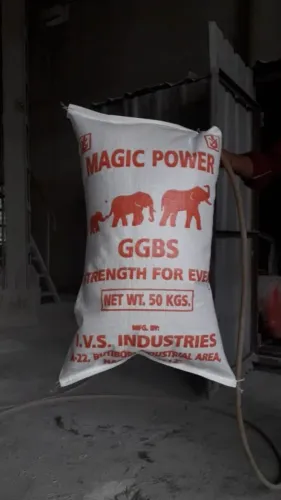
Selecting a GGBS Manufacturer is not simply a matter of comparing quotations. For construction companies, ready-mix concrete plants, cement producers, infrastructure contractors, and bulk material distributors, the consistency of a supplementary cementitious material can influence mix design, production planning, quality control, and ultimately the performance of concrete.
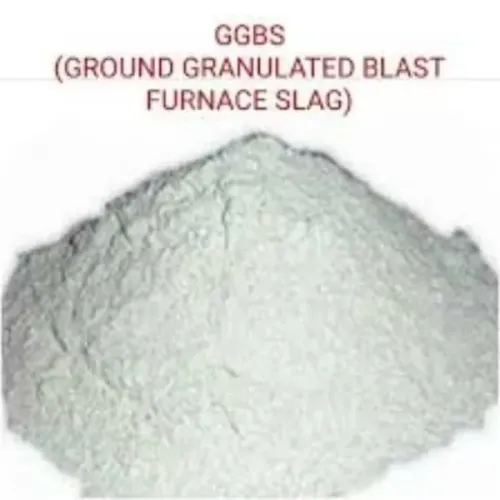
Ground Granulated Blast Furnace Slag, commonly known as GGBS, is produced from granulated blast furnace slag that is dried and ground to the required fineness. It is used as a supplementary cementitious material in different concrete and cement applications. The exact proportion and performance requirements depend on project specifications, cement chemistry, concrete grade, exposure conditions, and mix design.
For procurement teams in Nagpur and across Maharashtra, understanding these factors before placing a bulk order can prevent purchasing decisions based solely on price.
Start With the Intended Concrete Application
The first question should not be 'What is the price per tonne?' It should be 'What does the project require?'
A material intended for general ready-mix concrete may be evaluated differently from material required for large infrastructure works, precast production, industrial flooring, mass concrete, or specialized cementitious formulations.
Buyers should establish:
- Required concrete grades
- Expected monthly consumption
- Applicable material specifications
- Required fineness
- Strength-development expectations
- Durability requirements
- Storage capacity
- Delivery schedule
- Quality documentation requirements
Once these factors are clear, discussions with the manufacturer become more meaningful.
Why Consistency Matters Across Deliveries
Concrete producers typically develop mix designs around known material characteristics. Significant variations between batches can require adjustments in water content, admixture dosage, binder proportions, and production controls.
A dependable GGBS Manufacturer should therefore be evaluated for consistency rather than only initial sample performance.
For large projects, ask how material quality is monitored from one production lot to another. Relevant parameters may include fineness, chemical composition, moisture, physical characteristics, and other specification-dependent properties.
Consistency is particularly important when a project runs for months and the concrete supplier needs repeatable performance throughout construction.
Review Technical Documentation Before Ordering
Procurement managers should request relevant product information and test documentation before finalizing bulk supply.
Depending on contractual and project requirements, documentation may cover:
- Material specifications
- Physical test results
- Chemical characteristics
- Fineness information
- Quality-control procedures
- Batch-related documentation
- Storage recommendations
Technical documentation should be assessed by the appropriate project, quality, or concrete-technology team rather than treated as a purchasing formality.
Consider Supply Capability Alongside Product Quality
Even technically suitable material creates problems if deliveries cannot keep pace with concrete production.
This is especially relevant for infrastructure contractors and RMC plants consuming substantial volumes. Interruptions can affect batching schedules, inventory management, and site progress.
Buyers in Nagpur may therefore need to assess how effectively a supplier can serve projects within Maharashtra while maintaining planned quantities and delivery intervals.
Important procurement questions include expected lead times, minimum order quantities, bulk dispatch capability, contingency arrangements, and communication procedures when project demand changes.
Storage Conditions Deserve Attention
GGBS is a powdered cementitious material and needs appropriate handling and storage.
Moisture exposure, contamination, poor silo management, and incorrect handling can compromise material condition before it reaches the concrete mixer.
RMC plants and concrete manufacturers should plan receiving and storage arrangements before bulk deliveries begin. Separate storage may also be necessary where multiple cementitious materials are being handled.
Evaluate the Total Supply Relationship
A low initial quotation can become less attractive if material inconsistency, delayed deliveries, documentation gaps, or unsuitable specifications disrupt production.
The more useful evaluation considers the total supply relationship.
For example, a procurement team may compare suppliers across technical suitability, consistency, manufacturing capability, logistics, documentation, communication, and commercial terms.
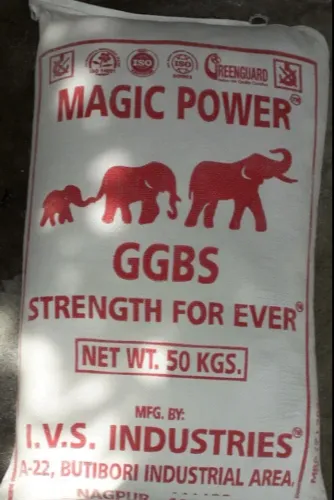
IVS Industries serves the construction-material sector from Nagpur, where GGBS requirements can range from recurring RMC demand to project-specific bulk procurement.
Common Procurement Questions
Should buyers select GGBS based only on fineness
No. Fineness is important, but chemical characteristics, consistency, application requirements, mix compatibility, and relevant specifications should also be considered.
Does every project require the same GGBS specification
No. Requirements can vary according to concrete design, structural application, exposure conditions, contractual specifications, and engineering objectives.
Should a trial mix be conducted before a large order
Where material is being introduced into a new concrete formulation, controlled trials can help verify compatibility and performance before full-scale use.
Why is delivery planning important for RMC plants
RMC production depends on uninterrupted access to required raw materials. Coordinating inventory, silo capacity, consumption rates, and delivery frequency reduces the risk of production disruption.
Choosing a GGBS Manufacturer is therefore a technical and operational decision as much as a commercial one. Buyers who evaluate application suitability, consistency, documentation, storage, and supply reliability are better positioned to establish a procurement arrangement that supports predictable concrete production.
Keywords