
Ready-mix concrete plants operate differently from one-time construction-material buyers. Raw materials arrive continuously, multiple concrete grades may be produced in the same day, and small changes in binder characteristics can influence batching decisions across substantial production volumes.
Choosing a GGBS Manufacturer for an RMC operation therefore requires a structured evaluation covering technical quality, consistency, logistics, and commercial practicality.
Compare Consistency Before Comparing Price
The cheapest quotation can appear attractive until inconsistent material forces repeated mix adjustments.
An RMC plant needs predictable inputs.
Procurement and quality teams should review whether the supplier can maintain relevant characteristics across recurring deliveries. Where applicable, this includes physical properties, fineness, moisture condition, chemical characteristics, and supporting test documentation.
Consistency helps concrete technologists maintain established mix designs with fewer unexpected variables.
Examine Compatibility With Existing Materials
GGBS does not function independently.
Its performance is influenced by the cement, aggregates, water, chemical admixtures, binder proportions, and curing conditions used by the plant.
Before approving a new source, RMC producers can conduct controlled trials using their actual materials.
Measurements may include:
- Initial workability
- Slump retention
- Admixture dosage
- Setting characteristics
- Pumpability where relevant
- Early-age strength
- Later-age strength
- Specified durability indicators
This provides a realistic picture of production behaviour.
Evaluate Logistics Under Real Consumption Conditions
Suppose an RMC plant consumes substantially more GGBS during a large infrastructure pour than during normal operations.
Can the supplier accommodate that increase?
This is the type of question that procurement teams should address before supply begins.
Plants in Nagpur serving projects throughout Maharashtra may need dependable replenishment schedules because insufficient stock can interrupt batching operations.
Consider:
- Normal lead time
- Dispatch capacity
- Minimum shipment size
- Peak-demand planning
- Transport coordination
- Emergency replenishment procedures
These operational details can be just as important as laboratory results.
Check Storage Requirements
The plant needs sufficient silo capacity to receive and protect the material.
Storage arrangements should minimize moisture ingress and contamination while allowing the batching system to accurately dose the material.
Where multiple supplementary cementitious materials are used, clear identification and separate storage help reduce handling errors.
Compare Total Cost Per Cubic Metre
Price per tonne provides only part of the commercial picture.
A more meaningful evaluation examines the cost and performance of the complete concrete formulation.
For example, one material may have a different purchase price but enable a mix design that performs differently in terms of binder dosage, admixture requirement, strength development, or production efficiency.
The appropriate comparison is therefore often the optimized concrete cost for the required performance rather than the standalone raw-material price.
Review Documentation and Communication
RMC operations need traceability.
A supplier should be able to provide the documentation required by the purchaser and communicate effectively when there are changes affecting supply.
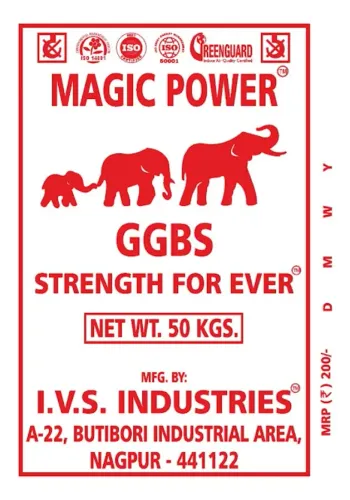
IVS Industries serves construction-material buyers from Nagpur, including customers whose purchasing decisions depend on both material characteristics and bulk supply planning.
A useful supplier review can score candidates against technical compliance, batch consistency, documentation, supply capacity, responsiveness, logistics, and commercial terms.
Questions RMC Procurement Teams Often Raise
How much GGBS should an RMC mix contain
There is no universal percentage. The proportion depends on the required concrete properties, cementitious system, applicable specifications, and project requirements.
Should every new supplier undergo trials
Evaluating a new source through appropriate quality checks and mix trials can help confirm how the material behaves within established formulations.
How often should incoming material be checked
Testing and acceptance frequency should follow the plant's quality plan, contractual requirements, and applicable standards.
What happens when material characteristics change
The concrete producer may need to evaluate whether the change affects existing mix performance before continuing normal production.
Selecting a GGBS Manufacturer for an RMC plant is ultimately about repeatability. Technical suitability establishes whether the material can work; consistent manufacturing, documentation, logistics, and communication determine whether it can work reliably every day.
Keywords