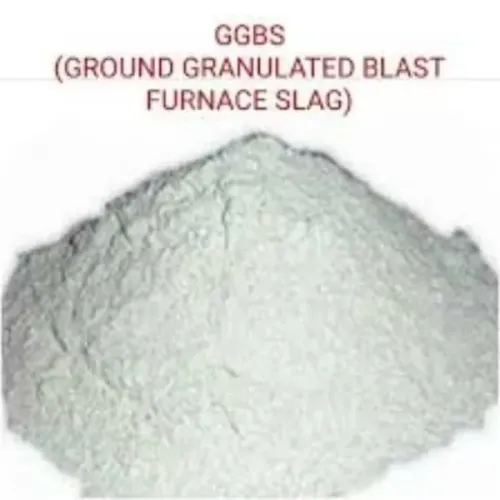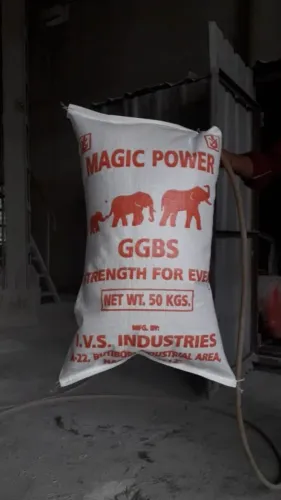

Bulk procurement changes the way construction materials should be evaluated. When a project consumes substantial quantities of GGBS, small differences in quality consistency, transportation, lead time, and inventory planning can create significant operational consequences.
Comparing ground granulated blast furnace slag manufacturers therefore requires a structured approach.
Product Specifications Come First
Start by comparing the technical characteristics of the material being offered.
Two suppliers may both describe their product as GGBS, yet procurement teams still need to determine whether the supplied material satisfies the project's actual technical requirements.
Review relevant test information and specifications rather than relying exclusively on product descriptions.
The material should also be evaluated with the cement and admixture system intended for the project.
Consistency Is Critical at Scale
A small laboratory batch can be adjusted relatively easily.
A commercial ready-mix plant producing concrete throughout the day has much less tolerance for unpredictable material variation.
Bulk buyers should therefore ask how manufacturers maintain consistency across production lots.
Changes in fineness, moisture, or other characteristics can influence concrete behaviour and may require mix adjustments.
Supply Capacity Should Match Consumption
Imagine a concrete operation requiring continuous GGBS deliveries during a high-volume construction phase.
If the supplier can meet the specification but cannot maintain the required dispatch frequency, production may still be affected.
Before finalising a bulk supplier, establish:
- Expected monthly consumption
- Peak demand
- Normal dispatch lead time
- Transportation arrangement
- Emergency supply capability
- Minimum order quantity
- Storage requirements
Projects in Nagpur can benefit from procurement planning that accounts for regional logistics instead of treating transportation as an afterthought.
Compare Delivered Cost
Ex-factory material price does not necessarily represent the final cost to the buyer.
A practical comparison should consider delivered cost, including relevant transportation and handling implications.
Buyers should also examine how frequently material needs to be ordered. Very small deliveries may increase logistics costs, while excessive inventory ties up storage capacity and working capital.
The ideal order pattern balances consumption, storage, transportation, and supply risk.
Assess Storage Requirements
GGBS needs appropriate handling and storage to preserve its suitability for use.
Ready-mix and cementitious-material users should ensure adequate silo arrangements and controls to prevent contamination or unintended mixing with other materials.
Supplier evaluation should therefore include discussions about delivery method and unloading compatibility with the buyer's facility.
Technical Support Adds Procurement Value
Bulk customers often need more than a dispatch schedule.
New mix designs, changes in cement source, seasonal conditions, and project-specific specifications can create technical questions.
Manufacturers that understand GGBS applications can communicate more effectively with concrete producers and project teams when these situations arise.
IVS Industries serves the GGBS manufacturing segment and works with construction-material requirements where quality and supply planning are important parts of procurement.
Avoid Five Common Comparison Mistakes
Bulk buyers should avoid:
- Selecting entirely on the lowest quoted rate
- Approving material without adequate technical review
- Ignoring transportation reliability
- Assuming every GGBS source behaves identically
- Ordering large volumes before validating concrete performance
Each mistake can create costs that exceed the initial saving.
Create a Weighted Procurement Matrix
For major purchasing decisions, assign weight to each factor.
For example, material quality and consistency may receive the highest weight, followed by supply reliability, delivered economics, technical responsiveness, and commercial terms.
The precise weighting should reflect project risk.
A high-volume infrastructure project may place greater emphasis on uninterrupted supply, while a specialised precast operation may give additional weight to consistency and performance.
The best ground granulated blast furnace slag manufacturer is therefore not necessarily the supplier with the cheapest tonne price. It is the manufacturer whose material, production controls, logistics, and commercial capabilities align most closely with the buyer's concrete operation and project requirements.
Keywords