Infrastructure projects place unusual demands on construction-material procurement. Large concrete volumes, extended project schedules, durability requirements, strict quality procedures, and continuous supply needs make supplier selection a technical decision as well as a commercial one.
Finding suitable ground granulated blast furnace slag manufacturers therefore requires more than requesting a quotation.
Define the Infrastructure Application First
GGBS can be considered for different types of infrastructure concrete, but the requirements may vary significantly.
Potential applications include:
- Foundations
- Bridges and structural elements
- Large raft pours
- Industrial infrastructure
- Water-related structures
- Underground construction
- Pavement-related concrete
- Large civil engineering works
The required concrete performance should determine the material evaluation criteria.
Examine Long-Term Performance Requirements
Infrastructure assets are often expected to remain in service for decades.
Durability therefore becomes a major design consideration.
Engineers may assess permeability, exposure conditions, thermal behaviour, strength development, and other performance characteristics when deciding whether GGBS should form part of the binder system.
The appropriate solution depends on the project rather than a generic replacement recommendation.
Check Capacity for Sustained Supply
Infrastructure projects may consume materials over months or years.
Supplier capacity must therefore be evaluated across the expected project duration, not merely for the first order.
Procurement teams should discuss:
- Expected monthly volume
- Peak requirements
- Dispatch planning
- Transportation resources
- Lead times
- Contingency arrangements
A shortage during a major concrete pour can have consequences far beyond the cost of the missing material.
Consider Regional Logistics
Bulk construction materials are strongly influenced by transportation.
For infrastructure development in Nagpur, procurement teams should calculate practical delivered economics and establish realistic dispatch schedules.
A source that appears cheaper before freight may not remain cheaper after transportation and handling are considered.
Regional availability can also help reduce excessive inventory requirements when supply planning is dependable.
Demand Consistency Across Deliveries
Infrastructure concrete specifications require repeatable quality.
Material variation can complicate mix control, especially when a project uses established concrete designs over a long construction period.
Buyers should therefore understand how the manufacturer manages production and quality consistency.
Periodic verification should continue after initial approval according to the project's quality plan.
Evaluate Concrete Compatibility
GGBS should be assessed as part of the actual binder system.
Trial mixes using project materials help engineers determine:
- Fresh concrete behaviour
- Workability
- Strength development
- Admixture compatibility
- Placement characteristics
- Relevant durability performance
This evidence is considerably more useful than making decisions based purely on general product claims.
Look Beyond Procurement Price
Infrastructure procurement should consider lifecycle and operational consequences.
Reliable material can support stable production, while inconsistent supply can create delays, testing costs, mix changes, and site coordination problems.
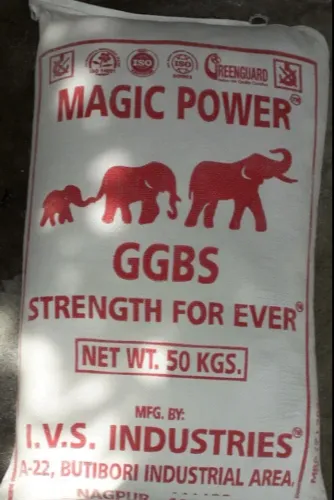
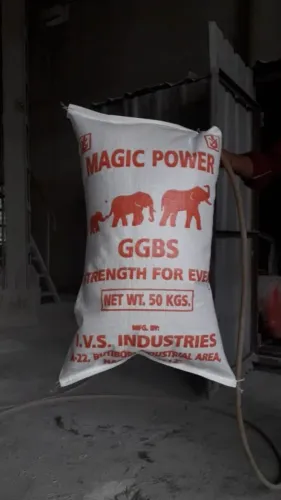
IVS Industries manufactures GGBS-based sustainable construction materials for concrete applications and serves requirements where technical suitability and supply planning are central to purchasing decisions.
Know When a Supplier Is Project Ready
A manufacturer is closer to infrastructure-project readiness when it can demonstrate:
- Suitable material characteristics
- Consistent production
- Appropriate quality documentation
- Bulk supply capability
- Dependable logistics
- Clear commercial terms
- Responsive communication
Project teams should validate each factor against their own tender and specification requirements.
Infrastructure procurement is ultimately about controlling risk.
The best ground granulated blast furnace slag supply arrangement is one that helps the project maintain specified concrete performance while keeping production predictable throughout the construction programme. Technical approval, trial validation, logistics planning, and ongoing quality control should therefore work together before a manufacturer becomes a long-term project supplier.
Keywords