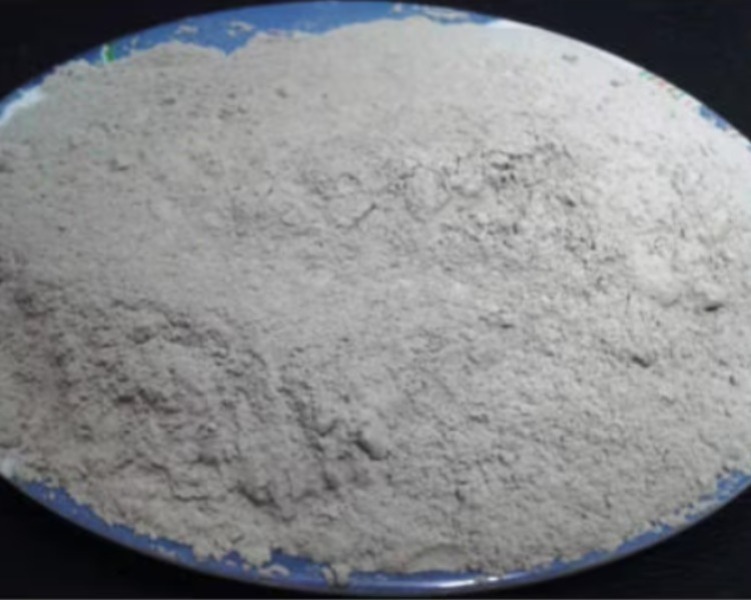
Once a construction project reaches the procurement stage, material decisions become operational decisions. Specifications must translate into actual deliveries, concrete production, quality-control records, and uninterrupted site progress.
Before approving GGBS Manufacturers, project teams should complete a structured readiness check.
Confirm the Technical Requirement
Start with the project specification.
Determine exactly why GGBS has been included and what requirements apply to the material and concrete.
Important questions include:
- What concrete grades will use GGBS?
- What replacement levels are proposed?
- What performance requirements apply?
- Are there exposure-specific durability requirements?
- Is early strength critical?
- Are large-volume pours involved?
- What testing is required?
This prevents procurement teams from selecting a material without understanding the engineering purpose behind it.
Review Material Information
The next step is to assess whether the proposed supply aligns with the relevant specification.
Review available technical and quality information and identify any project-specific approval requirements.
Where necessary, the consultant, concrete technologist, or quality team should evaluate the documentation before bulk ordering begins.
Conduct Representative Trial Mixes
Supplier approval should not stop at paperwork.
Concrete trials help establish how the GGBS behaves with the actual cement, aggregates, water, and admixtures intended for production.
Depending on the project, trial evaluation may cover fresh properties, strength development, workability retention, and specified durability parameters.
For high-volume work, this step can prevent costly problems after full-scale concrete production begins.
Verify Supply Capability
A technically approved supplier still needs to satisfy the project's consumption schedule.
Estimate expected demand during normal and peak construction periods.
Then confirm:
- Order lead time
- Dispatch capacity
- Delivery frequency
- Bulk transportation arrangements
- Communication process
- Ability to handle demand fluctuations
Projects around Nagpur should incorporate realistic transportation time into procurement planning, particularly when concrete pours depend on continuous material availability.
Confirm Site Storage
Before the first bulk delivery arrives, make sure the project or batching facility is ready to receive it.
Storage systems should protect material quality and prevent contamination.
Check silo identification, available capacity, unloading connections, inventory measurement, and procedures for avoiding accidental material mixing.
Establish Quality-Control Procedures
Supplier approval is not the end of quality control.
Projects should establish how incoming material will be checked and how relevant documentation will be maintained.
The frequency and type of testing should reflect applicable specifications and project quality plans.
Clear acceptance procedures also reduce disputes if a delivery raises technical concerns.
Evaluate Commercial Readiness
Price remains important, but a complete commercial assessment should include more than the basic material rate.
Consider:
- Delivered cost
- Transportation terms
- Order quantities
- Payment terms
- Lead times
- Storage implications
- Supply continuity
- Potential operational costs
For large-volume concrete work, seemingly small logistical differences can become financially significant.
Assess Communication Quality
Construction schedules change.
Concrete quantities can increase unexpectedly, pour dates may move, and technical teams may need documentation quickly.
A supplier's responsiveness therefore has practical value.
IVS Industries operates in the GGBS manufacturing and sustainable construction materials segment, supporting buyers assessing material requirements for concrete applications.
Use a Final Approval Checklist
Before placing recurring orders, confirm that:
- Technical requirements are understood
- Material information has been reviewed
- Trial performance is acceptable
- Supply volume is achievable
- Logistics are agreed
- Storage is ready
- Quality procedures are defined
- Commercial terms are clear
- Internal approvals are complete
This process may take more effort than selecting the lowest quotation, but it reduces procurement uncertainty.
The right manufacturer should be capable of fitting into the project's technical and operational system. When quality, concrete performance, logistics, and commercial requirements are aligned before the first major delivery, construction teams are better prepared for reliable production throughout the project.
Keywords