Ready-mix concrete production is built around repeatability. Customers expect the concrete delivered today to perform consistently with concrete supplied tomorrow, even when production volumes and project requirements change.
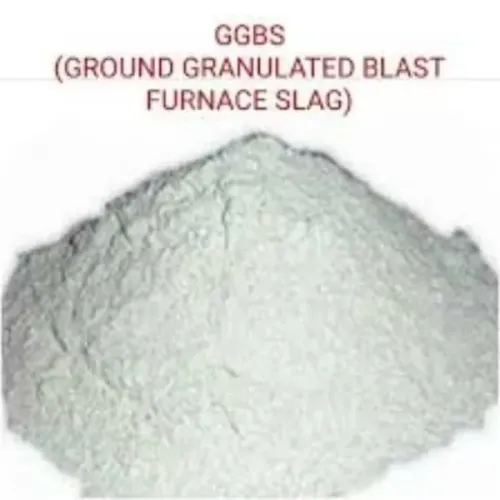
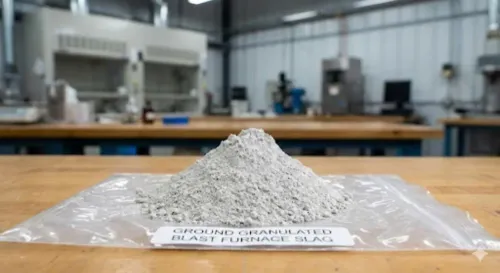
For this reason, the relationship between ready-mix producers and dependable GGBS Manufacturers can be important when GGBS forms part of regular mix designs.
Ready-Mix Plants Need Predictable Materials
Every batch combines several components under controlled proportions.
If one cementitious material varies unexpectedly, properties such as workability, water demand, setting behaviour, and strength development may also change.
Consistent GGBS helps plant teams maintain more predictable mix performance and reduces the need for unnecessary adjustments.
Workability Matters From Plant to Placement
Concrete does not complete its journey when it leaves the batching plant.
It must remain suitable during loading, transportation, discharge, pumping, placement, compaction, and finishing.
Depending on the complete mix design, GGBS can contribute useful fresh-concrete characteristics.
However, ready-mix producers should verify performance under realistic delivery conditions.
A laboratory slump measured immediately after mixing does not necessarily show what will happen after transportation to site.
Different Customers Need Different Mixes
A ready-mix plant may supply concrete for foundations in the morning, slabs in the afternoon, and an infrastructure pour at night.
Each application can have different requirements.
GGBS-containing mix designs may therefore be developed around:
- Concrete grade
- Pumpability
- Placement method
- Retention time
- Early strength
- Later-age strength
- Durability
- Pour dimensions
- Exposure conditions
This is why a single replacement percentage should not automatically be applied across every product.
Sustainability Can Become a Commercial Requirement
Developers, consultants, and large construction organisations are increasingly interested in reducing the environmental impact associated with construction materials.
Ready-mix producers that understand supplementary cementitious materials are better positioned to respond to specifications seeking lower-clinker concrete.
GGBS can form part of these solutions while still requiring the concrete to satisfy all structural and performance requirements.
Storage and Inventory Need Planning
Regular GGBS use generally requires appropriate storage arrangements at the batching facility.
The plant should plan:
- Silo capacity
- Consumption rate
- Reorder levels
- Delivery frequency
- Unloading arrangements
- Material identification
- Contamination prevention
Good inventory planning reduces both shortage risk and unnecessary overstocking.
For RMC operations serving Nagpur construction projects, delivery planning becomes particularly important during periods of high concrete demand.
Trial Mixes Should Reflect Actual Operations
A technically promising GGBS should be validated in concrete before broad commercial adoption.
Trial evaluation can include:
- Initial workability
- Workability retention
- Density
- Setting characteristics where relevant
- Early strength
- 28-day strength
- Later-age strength
- Pumping behaviour
- Finishing characteristics
- Project-specific durability parameters
The goal is not simply to prove that the material works. It is to determine how it works within the plant's existing materials and processes.
Supplier Reliability Matters Every Day
Ready-mix production can consume cementitious materials rapidly.
An interruption in GGBS availability can create operational difficulties if approved mix designs depend on it.
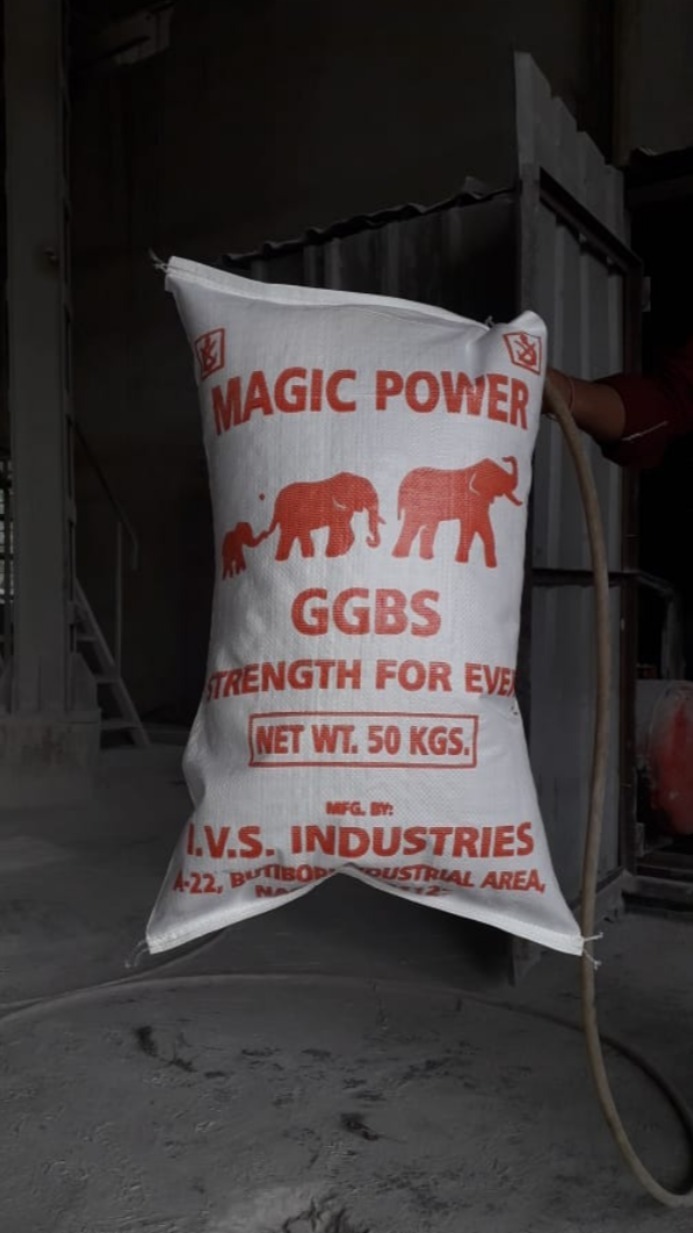
IVS Industries supplies GGBS and sustainable concrete materials for construction applications, including requirements relevant to concrete producers assessing dependable material supply.
Ready-mix businesses should therefore evaluate suppliers as part of their production system rather than as occasional material vendors.
The strongest GGBS strategy combines material consistency, technically validated mix designs, appropriate storage, planned logistics, and disciplined quality control.
When those elements are in place, ready-mix plants can use GGBS not simply as an alternative cementitious material but as part of a broader approach to producing durable, efficient, and increasingly sustainable concrete.
Keywords