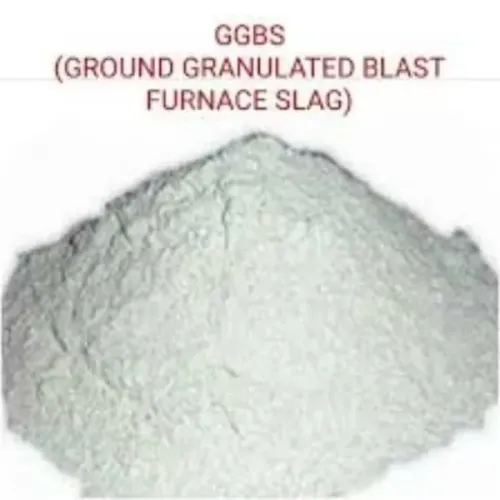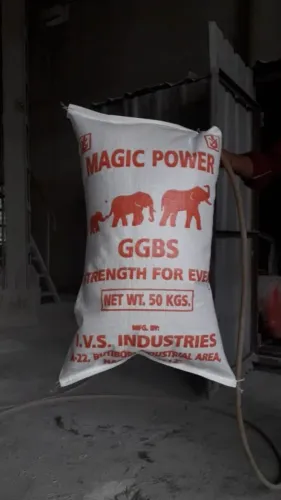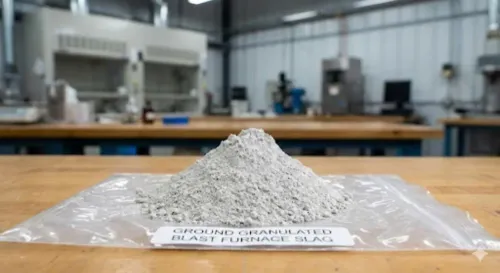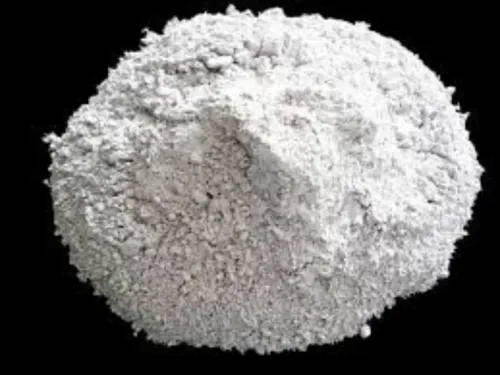

Selecting a GGBS supplier should not be reduced to comparing quotations. For ready-mix plants, infrastructure contractors, precast manufacturers, and large construction projects, variations in cementitious materials can affect concrete production and project performance.
The right GGBS Manufacturers should therefore be evaluated on technical suitability, consistency, supply capability, and commercial practicality.
Start With the Concrete Requirement
Before evaluating suppliers, define what the material must achieve.
Consider:
- Concrete grade
- Required replacement percentage
- Early strength expectations
- Later-age strength requirements
- Exposure conditions
- Durability objectives
- Workability requirements
- Pour size
- Curing conditions
- Production volume
Without these details, supplier comparison tends to focus too heavily on price.
Check Material Consistency
Concrete plants depend on predictable inputs.
If GGBS properties vary substantially between deliveries, the same mix proportions may produce different results. That can create additional testing, adjustments, delays, and quality-control concerns.
Ask potential suppliers how they manage production consistency and what quality parameters are monitored.
Relevant considerations can include physical properties, chemical characteristics, fineness, moisture, and other requirements specified for the project.
Review Technical Documentation
Professional procurement should be evidence-based.
Before approving material for regular use, review available technical information and determine whether it aligns with the applicable project specifications and standards.
Where appropriate, conduct laboratory evaluations and concrete trial mixes using the actual cement, aggregates, admixtures, and water source intended for production.
A specification sheet is useful, but real mix compatibility matters more.
Evaluate Logistics Alongside Quality
GGBS is a bulk construction material, so logistics have a direct commercial impact.
A technically suitable product is less useful if deliveries cannot match project consumption.
For projects and concrete plants in Nagpur, buyers should examine:
- Typical order quantity
- Delivery arrangements
- Lead time
- Storage capacity
- Unloading requirements
- Supply continuity
- Ability to support changing project volumes
This becomes particularly important for continuous concrete production where a material shortage could disrupt batching.
Compare Total Value Rather Than Unit Price
Suppose Supplier A offers a lower material price but has inconsistent deliveries. Supplier B costs slightly more but provides predictable material and dependable dispatch.
The cheaper quotation may not produce the lower overall project cost.
Procurement teams should consider potential effects on:
- Concrete mix consistency
- Testing requirements
- Plant downtime
- Inventory levels
- Rejected batches
- Construction scheduling
- Transportation
- Material handling
Total procurement value provides a more realistic basis for comparison.
Look for Application Understanding
Different users need GGBS for different reasons.
A ready-mix producer may focus on workability and consistent batching. A precast manufacturer may care strongly about production cycles. Infrastructure contractors may prioritise durability, thermal characteristics, and long-term strength.
A supplier familiar with these distinctions is better positioned to understand why specifications vary between projects.
IVS Industries operates within the GGBS and sustainable concrete materials sector, supporting construction-material requirements for buyers evaluating GGBS for different applications.
Use Trial Mixes Before Large-Scale Adoption
For significant projects, a trial mix can answer questions that a commercial quotation cannot.
Assess fresh properties, strength development, workability retention, finishing characteristics, admixture interaction, and any project-specific durability requirements.
Testing should reflect actual production conditions as closely as practical.
Build a Simple Supplier Scorecard
A useful evaluation can assign scores to:
- Material conformity
- Batch consistency
- Technical documentation
- Supply capacity
- Delivery reliability
- Commercial terms
- Responsiveness
- Application suitability
This makes procurement decisions easier to justify internally and prevents price from becoming the only criterion.
Choosing a GGBS manufacturer is ultimately a material-risk decision as much as a purchasing decision. A supplier that combines suitable product characteristics with predictable quality and dependable supply can contribute to smoother concrete production and better project control.
Keywords