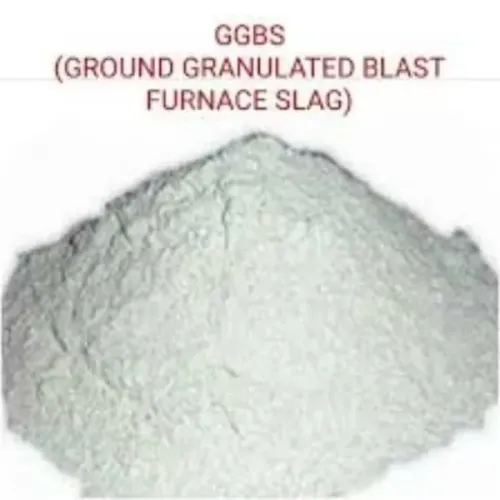
GGBS procurement may appear straightforward until material performance begins affecting concrete production. A purchasing decision based on incomplete evaluation can create inconsistent mixes, logistical difficulties, unnecessary testing, or interruptions at the batching plant.
Buyers comparing GGBS Cement manufacturers can reduce these risks by avoiding several common mistakes.
Treating All GGBS as Identical
GGBS is a defined construction material, but that does not mean every supply source will have identical characteristics.
Manufacturing controls, fineness, raw material characteristics, handling, and storage can influence the supplied material.
Procurement teams should verify relevant properties rather than assuming that switching suppliers will have no effect on the concrete mix.
Looking Only at Price Per Tonne
Price matters, especially for high-volume procurement.
But it should be considered alongside performance and logistics.
A lower-priced material that creates frequent mix adjustments, inconsistent deliveries, or additional testing may not remain economical after indirect costs are considered.
A better question is:
What is the total value of this material when used in our production system?
That includes delivered cost, consistency, supply reliability, and operational impact.
Skipping Concrete Trials
Technical documents provide useful information, but concrete is a multi-material system.
GGBS interacts with cement, admixtures, aggregates, water, temperature, and curing conditions.
Before making a significant change in supply, conduct appropriate trials using the intended concrete ingredients.
Measure the properties that matter for the application rather than evaluating only one strength result.
Ignoring Early Strength Requirements
GGBS concrete can provide valuable long-term performance, but early strength development needs to be considered carefully.
This is particularly important for precast plants, fast-track construction, formwork cycles, and projects with early loading requirements.
The replacement percentage and binder combination should align with the construction schedule.
Neglecting Curing
Material selection cannot correct poor curing.
Concrete incorporating GGBS should receive appropriate curing according to the mix design and site conditions.
This is especially important when environmental conditions increase moisture loss.
For construction in Nagpur, project teams should plan curing around actual seasonal temperatures and site exposure instead of applying the same assumptions to every pour.
Forgetting About Supply Continuity
A project may approve a material technically and still encounter problems if supply cannot keep pace with consumption.
Before committing to a manufacturer, understand:
- Dispatch capability
- Expected lead times
- Bulk availability
- Transportation planning
- Peak-demand capacity
- Communication procedures
For continuous concrete production, delivery reliability is part of quality management.
Changing Multiple Materials Simultaneously
If a plant changes cement, GGBS, admixture, and aggregate source at the same time, identifying the reason for subsequent concrete-performance changes becomes difficult.
Where practical, material changes should be controlled and evaluated systematically.
This allows technical teams to understand how each change affects the mix.
Failing to Match Material to Application
A mass foundation and a precast component have different production and performance requirements.
Likewise, an industrial floor may require different fresh-concrete behaviour from a water-retaining structure.
GGBS selection should therefore start with the intended application.
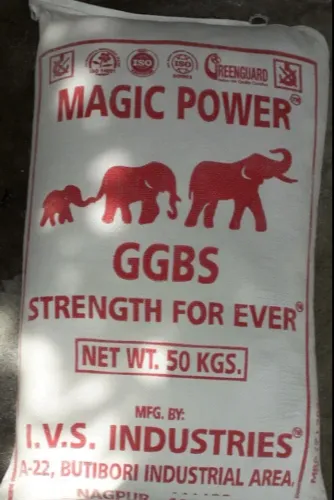
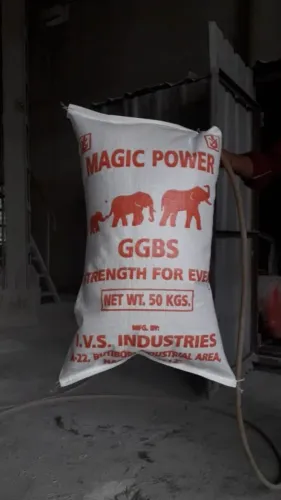
IVS Industries manufactures GGBS-based materials for construction applications, making project requirements an important part of material evaluation rather than treating GGBS as a one-specification-fits-all product.
Better Procurement Starts With Better Questions
Before selecting a manufacturer, ask:
- Does the material meet our technical requirements?
- Have we tested it in our actual concrete system?
- Is batch consistency adequately controlled?
- Can supply match our consumption?
- What is the delivered commercial impact?
- Does the material suit our construction schedule?
- Are storage and handling arrangements suitable?
These questions shift the purchasing conversation from simply finding GGBS to finding GGBS that works reliably within a specific project.
That distinction can make a significant difference when concrete is being produced at commercial scale.
Keywords