Concrete durability becomes especially important when structures are expected to remain in service for decades. Bridges, foundations, industrial structures, large developments, water-retaining structures, and other infrastructure projects can face moisture, chemicals, temperature changes, and demanding exposure conditions.
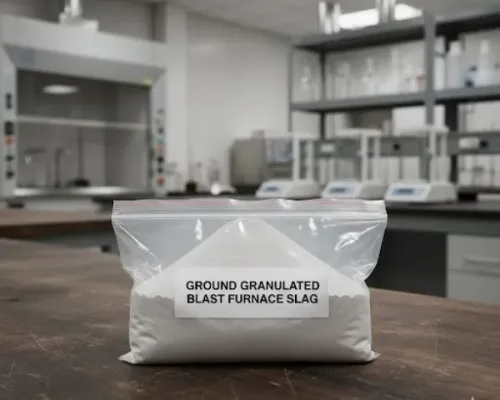
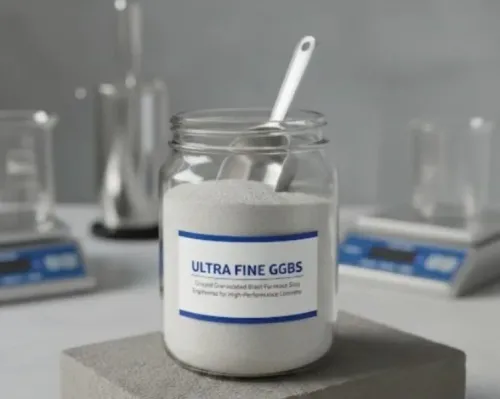
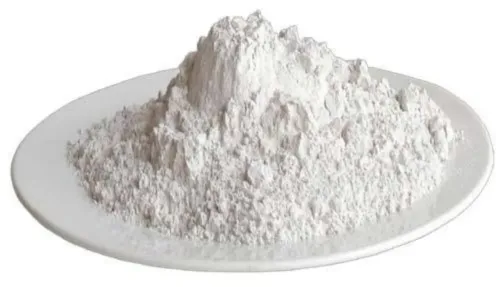
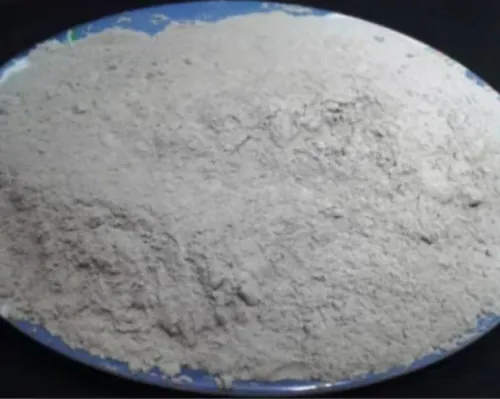
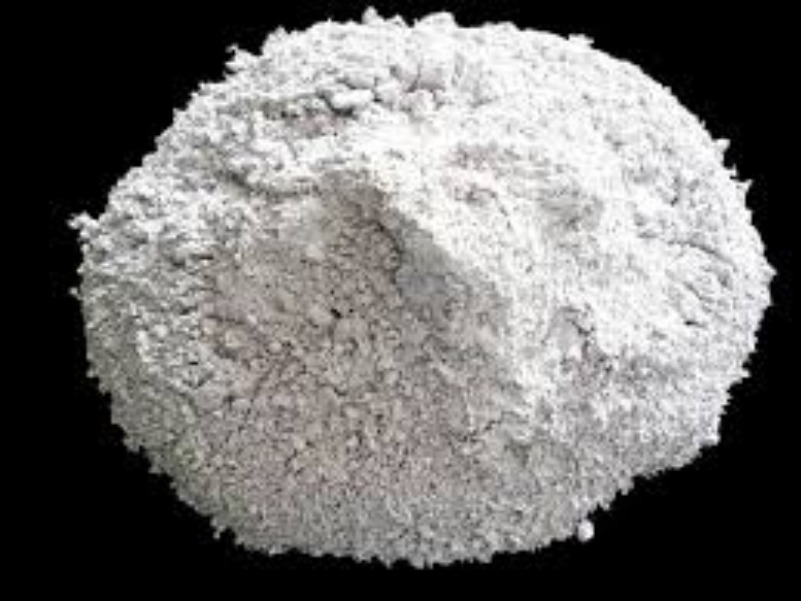
Material selection is one part of addressing these challenges. Working with a suitable Ground granulated blast furnace slag manufacturer can give concrete producers access to a supplementary cementitious material that may contribute to durability-focused mix designs.
Durability Begins Inside the Concrete
Concrete can appear solid while still containing a network of microscopic pores.
The size, distribution, and connectivity of these pores influence how easily water and potentially aggressive substances can move through hardened concrete.
Concrete durability therefore depends on multiple factors, including:
- Water-to-binder ratio
- Cementitious materials
- Aggregate quality
- Mix proportions
- Compaction
- Placement
- Curing
- Environmental exposure
- Construction workmanship
GGBS can form part of the binder strategy used to achieve particular performance requirements.
How GGBS Changes the Cementitious System
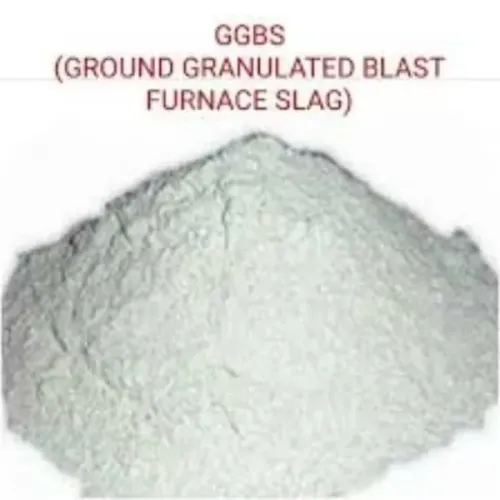
Ground Granulated Blast Furnace Slag has latent hydraulic properties. In an appropriately designed cementitious system, it participates in reactions that contribute to the development of the hardened binder matrix.
This can help refine the pore structure over time.
A denser and less permeable concrete matrix can be useful where engineers want to limit the penetration of water and certain aggressive agents. However, performance depends on the GGBS characteristics, replacement level, cement chemistry, curing conditions, and complete concrete design.
The role of the Ground granulated blast furnace slag manufacturer is therefore connected to providing material with appropriate and consistent characteristics. The engineering team remains responsible for determining how that material should be incorporated into the concrete.
Applications Where Durability Can Matter More
Not every concrete element experiences the same exposure.
A protected internal structural element and a bridge component exposed to weather, for example, may have very different durability requirements.
GGBS-containing concrete may be evaluated for applications such as:
- Infrastructure projects
- Foundations
- Marine-related concrete where specifications permit
- Industrial structures
- Water-retaining structures
- Large reinforced-concrete elements
- Mass concrete
- Precast components
- High-performance concrete
Project specifications should always determine the required binder system.
Curing Remains Critical
Using supplementary cementitious materials does not reduce the importance of good site practices.
Appropriate curing supports hydration and strength development while helping the concrete achieve the properties anticipated by the mix designer.
Poor curing can undermine otherwise well-designed concrete.
Contractors should control early moisture loss, follow the specified curing method, protect recently placed concrete from unsuitable environmental conditions, and maintain curing for the period required by the project specification.
This becomes especially relevant during hot or dry periods experienced in parts of Maharashtra.
Material Quality Should Remain Predictable
Concrete manufacturers need to know that the cementitious materials entering their batching system remain reasonably consistent.
Variability can affect workability, admixture response, strength development, and other properties.
A manufacturer supplying GGBS for ongoing projects should therefore maintain appropriate production and quality-control processes. Bulk purchasers may review test documentation and establish acceptance requirements before recurring supply begins.
For construction companies around Nagpur, this can be particularly important on projects requiring continuous concrete production over extended schedules.
Durability Cannot Be Purchased as a Single Ingredient
One common misconception is that adding a supplementary cementitious material automatically creates durable concrete.
It does not.
Durability comes from a combination of appropriate materials, correct mix proportions, controlled production, careful transportation, proper placement, adequate compaction, sufficient cover, suitable curing, and construction quality.
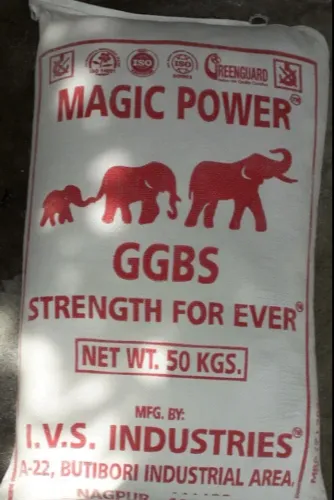
IVS Industries supplies GGBS within this broader concrete-material ecosystem, where the product must ultimately be incorporated according to engineering requirements rather than treated as a universal additive.
Frequently Asked Questions
Can GGBS help reduce concrete permeability
Properly proportioned GGBS-containing mixes can develop a refined microstructure that may contribute to lower permeability. Actual results depend on the complete mix and curing conditions.
Does GGBS improve concrete immediately after mixing
Some benefits associated with supplementary cementitious materials develop over time. Early and later-age properties should therefore be considered separately during mix design.
Is GGBS suitable for every construction project
Not necessarily. Material selection should reflect structural requirements, exposure classification, project specifications, concrete grade, and desired performance.
Is curing needed for GGBS concrete
Yes. Effective curing remains an important part of achieving the intended properties of concrete.
Durable construction requires a systems approach. Selecting a technically appropriate Ground granulated blast furnace slag manufacturer is one part of that process, while correct mix design, testing, workmanship, and curing determine how effectively the material contributes to the finished structure.
Keywords