Modern construction places increasingly demanding requirements on concrete. Structures must achieve specified strength while also addressing durability, constructability, service life, cost efficiency, and environmental considerations.
This has increased interest in supplementary cementitious materials, particularly GGBS.
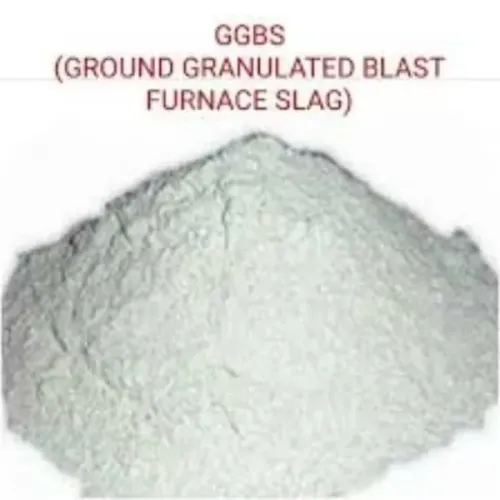
The role of ground granulated blast furnace slag manufacturers extends beyond producing a powdered construction material. The manufacturing and processing stages influence fineness, consistency, handling characteristics, and ultimately how effectively the material can be incorporated into concrete.
Understanding the Material
Blast furnace slag is generated during iron production. When suitable molten slag is rapidly cooled, it forms granulated blast furnace slag with properties that make further processing into GGBS possible.
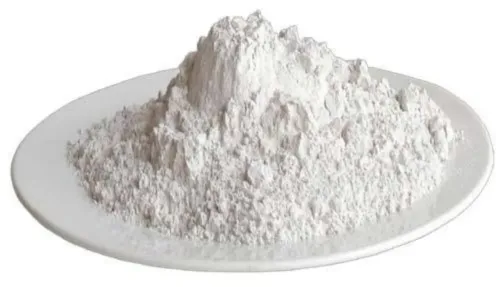
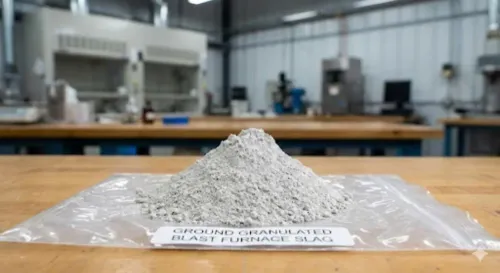
The granulated material is dried and ground to achieve the required fineness.
This processing stage matters because GGBS is expected to participate in cementitious reactions when used with suitable cement systems. Particle characteristics and consistency therefore have practical consequences for concrete producers.
Why Construction Companies Use GGBS
GGBS can be incorporated into concrete for several reasons.
Depending on the project and mix design, these may include:
- Long-term strength development
- Improved durability characteristics
- Better workability
- Reduced permeability
- Lower dependence on conventional cement
- Improved sustainability profile
- Suitability for mass concrete applications
- Better performance in selected exposure conditions
These advantages are not automatic. Engineers must determine the appropriate replacement level and concrete proportions for the required application.
Manufacturing Consistency Is Important
A concrete producer works with carefully controlled proportions. Significant variations in cementitious materials can create unwanted changes in fresh and hardened concrete.
Consistency therefore matters when evaluating GGBS.
Manufacturers need appropriate systems for processing, handling, storage, and quality assessment. Buyers should look beyond the product name and understand whether the material supplied can remain consistent across regular commercial deliveries.
This becomes especially important for ready-mix plants and precast facilities consuming substantial quantities.
GGBS in Infrastructure Development
Infrastructure concrete can face demanding exposure conditions and long service-life expectations.
Bridges, foundations, industrial facilities, large structural elements, water-related infrastructure, and similar projects may benefit from concrete mixes incorporating supplementary cementitious materials where technically appropriate.
Nagpur's construction and infrastructure activity creates demand for concrete materials that can support both structural requirements and practical project economics.
Regional sourcing can also matter because cementitious materials are consumed in large volumes. Transportation planning, storage capacity, delivery reliability, and supply continuity can influence procurement decisions alongside material specifications.
Sustainability Is Becoming a Design Consideration
Concrete's environmental footprint has encouraged engineers and material producers to examine binder efficiency more closely.
GGBS provides an opportunity to use a by-product from the iron-making process as a valuable cementitious material. When it replaces an appropriate proportion of conventional cement, it can contribute to lower-clinker concrete strategies.
However, responsible sustainability assessment should consider the entire material system rather than relying on a single claim.
Concrete should still achieve the required strength, durability, constructability, and service life.
Different Projects Need Different Specifications
There is no universal GGBS percentage suitable for every concrete application.
A structural engineer designing foundations may have different priorities from a precast manufacturer requiring rapid production cycles. Similarly, ready-mix producers may need different fresh-concrete characteristics depending on pumping distance, placement method, weather, and project specifications.
The correct approach is to evaluate:
- Required concrete grade
- Early-age strength requirement
- Long-term strength target
- Exposure environment
- Placement conditions
- Curing practices
- Cement and admixture compatibility
- Applicable project specifications
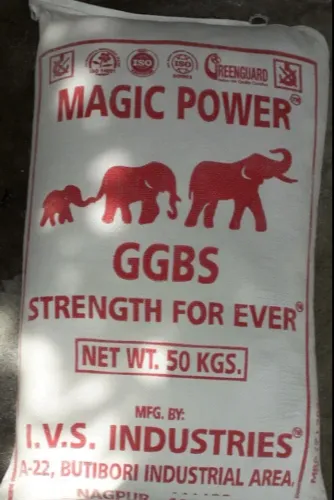
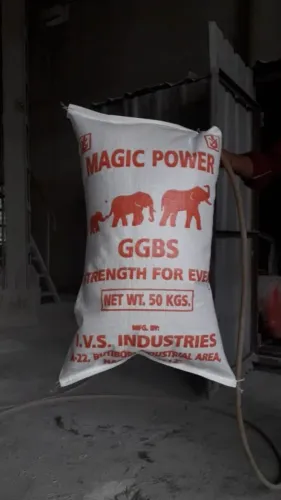
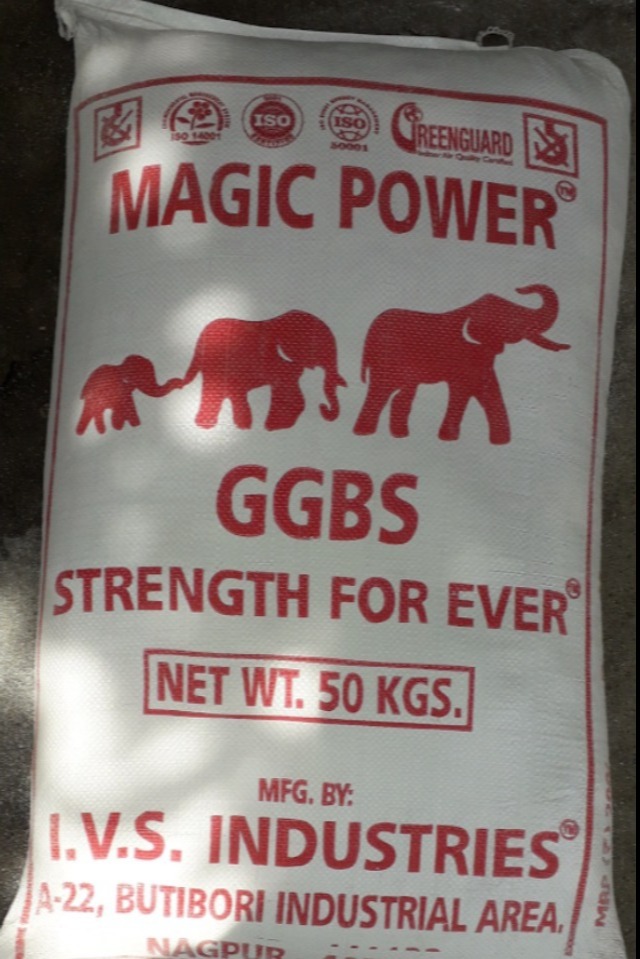
Manufacturers such as IVS Industries form part of this material supply chain by providing GGBS solutions for concrete and construction applications.
Understanding how the material is produced and what influences its performance helps engineers and buyers make better technical decisions. Ground granulated blast furnace slag should not be selected merely because sustainable concrete is gaining attention. It should be selected when its properties align with the engineering, production, and durability requirements of the project.
Keywords