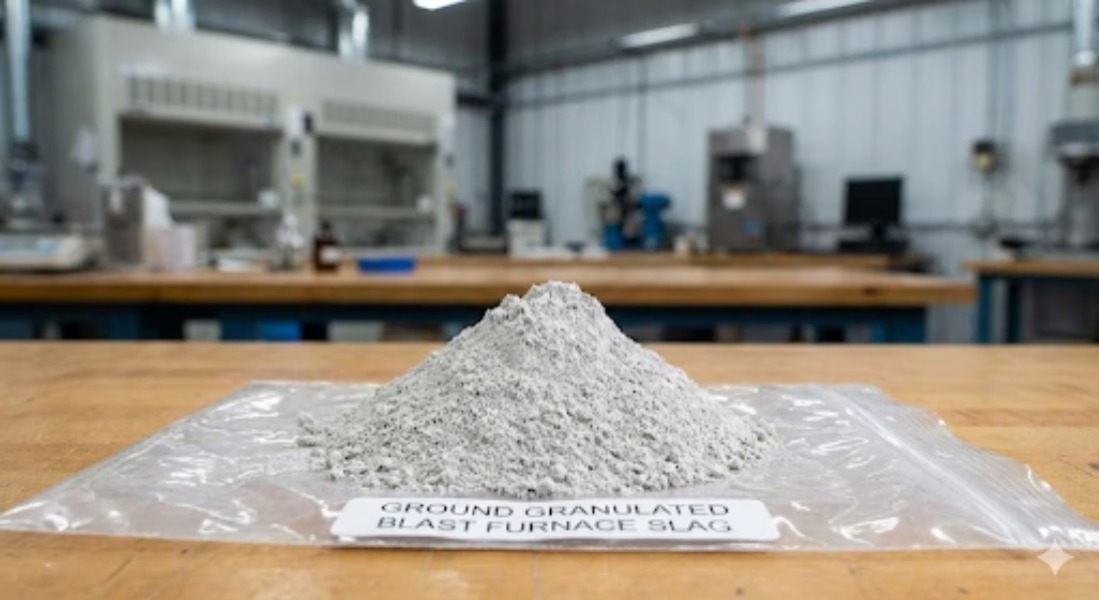
Shortlisting a supplier is only the beginning of bulk construction-material procurement. Before establishing recurring orders, procurement teams need to confirm that technical approval, logistics, commercial terms, storage arrangements, and quality responsibilities are all aligned.
For companies finalizing a GGBS Manufacturer, this last stage can prevent problems that are difficult to correct after regular concrete production begins.
Complete Technical Approval Before Commercial Commitment
Procurement and quality teams should work together.
The technical team needs to confirm that the proposed GGBS satisfies applicable specifications and performs appropriately within the intended cementitious system.
Where required, this can involve reviewing documentation, evaluating samples, conducting laboratory trials, and completing production-scale verification.
Only after the material is technically acceptable should price become the deciding commercial variable.
Establish an Incoming Quality Plan
Long-term supply needs a defined acceptance process.
The purchaser should determine which documents are required with deliveries, what incoming checks will be performed, how frequently testing will occur, and what happens if material falls outside agreed requirements.
Clear procedures protect both buyer and supplier because expectations are established before a disagreement occurs.
Map Consumption Against Storage
Procurement planning should connect three numbers:
Daily consumption, usable storage capacity, and replenishment lead time.
Consider an RMC plant that consumes material rapidly during a large project. Waiting until the silo is nearly empty before placing the next order creates unnecessary exposure.
Conversely, ordering excessive material without suitable storage can create handling and inventory problems.
A reorder system based on realistic consumption provides greater control.
Agree on Peak Demand Procedures
Long-term contracts should anticipate changing demand.
Construction programmes accelerate, major pours are rescheduled, and concrete requirements can change.
Buyers should establish how forecasts will be shared and how much notice the supplier requires for substantial increases.
For Nagpur-based companies and construction projects across Maharashtra, regional transport time should also be incorporated into this planning.
Confirm the Full Commercial Arrangement
A purchase rate without clearly defined delivery terms is incomplete.
Before finalization, confirm:
- Material specification
- Unit price
- Freight responsibility
- Taxes and applicable charges
- Minimum order quantity
- Payment terms
- Delivery destination
- Lead time
- Order confirmation process
- Price validity
- Quantity commitments where applicable
These details reduce ambiguity once recurring orders begin.
Review Supplier Performance Periodically
Approval should not mean permanent acceptance without review.
Procurement teams can track practical indicators such as delivery adherence, quantity accuracy, documentation, responsiveness, and commercial consistency.
Quality teams can separately monitor material performance according to their testing programme.
Together, these records create a clearer picture of supplier performance than anecdotal feedback.
Know When a Second Source May Be Useful
Some large-volume buyers evaluate alternative approved sources to reduce supply-chain concentration.
Whether this is appropriate depends on project specifications, storage infrastructure, technical approval requirements, and purchasing strategy.
If a second source is introduced, its material should undergo the necessary technical evaluation rather than being assumed interchangeable.
Look at Total Procurement Value
Long-term supplier selection should consider more than the lowest invoice rate.
A useful calculation includes material price, freight, inventory implications, quality consistency, supply reliability, and the potential operational impact of interruptions.
For an RMC plant, a raw-material shortage can disrupt concrete production. For an infrastructure contractor, delayed concrete activities can affect interconnected construction schedules.
Reliability therefore has economic value.
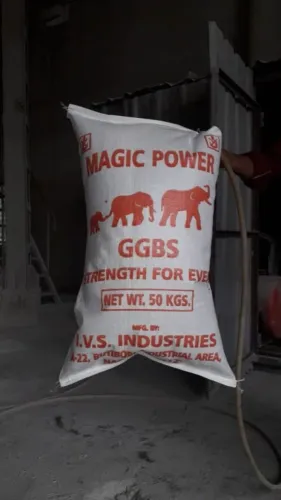
IVS Industries serves construction and industrial customers from Nagpur, making it relevant for procurement teams evaluating GGBS requirements where regional availability, technical requirements, and bulk supply planning need to be considered together.
Final Questions Before Approval
Has the material passed the required technical evaluation
Technical acceptance should be established according to the purchaser's project and quality requirements.
Is delivery capacity sufficient for peak consumption
Procurement should evaluate expected maximum demand, not only normal monthly usage.
Are storage arrangements ready
Appropriate dry storage and handling should be available before recurring deliveries begin.
Are commercial terms clearly documented
Price, freight, quantities, lead times, payment conditions, and delivery responsibilities should be understood by both parties.
Is there a process for handling quality concerns
The buyer should establish how non-conforming material, documentation discrepancies, and other supply issues will be managed.
Finalizing a GGBS Manufacturer for long-term procurement is therefore less about signing off on one quotation and more about creating a repeatable supply system. When technical approval, quality control, logistics, inventory, and commercial terms are aligned, construction companies and concrete producers can approach recurring GGBS procurement with considerably greater predictability.
Keywords