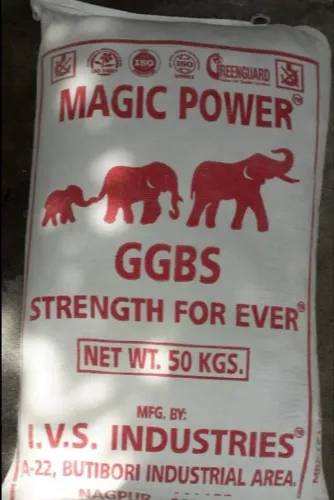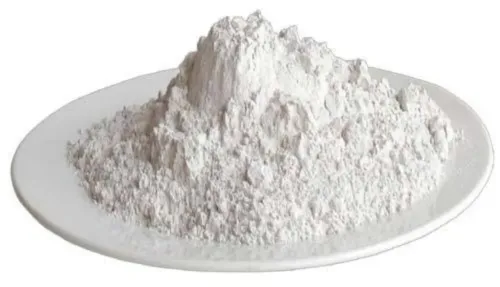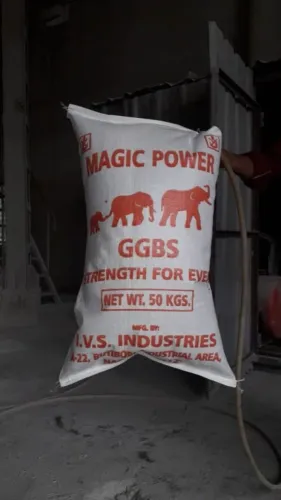
A bulk GGBS purchase can involve substantial quantities, recurring transport, dedicated storage, and direct integration into concrete or cement production. Procurement managers therefore need more information than a product quotation before approving a Ground granulated blast furnace slag manufacturer.
The following questions help reveal whether a prospective source fits the technical and operational requirements of the buyer.
What Material Specification Is Being Supplied
Begin by establishing exactly what is being offered.
Ask for relevant technical information and compare it against project, plant, consultant, and contractual requirements.
Do not rely solely on a generic product description.
If a particular characteristic is important to the concrete formulation, make it explicit during the enquiry.
How Is Production Consistency Controlled
Bulk supply may continue for months.
Ask how the manufacturer monitors production and whether relevant test information is available for supplied material.
This is particularly important for RMC plants and concrete manufacturers that have optimized formulations around defined raw-material characteristics.
What Quantities Can Be Supplied Regularly
A supplier may be capable of servicing occasional orders without being equipped for the buyer's peak demand.
Share expected monthly consumption and discuss potential fluctuations.
For a large infrastructure project, demand may rise sharply during particular construction phases. Confirming capacity beforehand reduces the chance of procurement problems appearing when concrete production is at its busiest.
What Are the Typical Lead Times
Lead time influences inventory planning.
Buyers in Nagpur and projects elsewhere in Maharashtra should consider transport distance, expected dispatch time, unloading arrangements, and storage capacity.
The objective is to establish a replenishment cycle that maintains sufficient material without creating unnecessary inventory.
What Documentation Accompanies Supply
Ask what documentation is available and ensure it aligns with the organization's quality procedures.
Infrastructure projects may have stricter traceability requirements than routine commercial purchases.
Clarifying documentation before the first dispatch is easier than trying to reconstruct records later.
How Should the Material Be Stored
GGBS should remain protected from moisture and contamination.
The buyer needs appropriate storage and handling infrastructure before accepting substantial quantities.
Where the material is stored in silos, the receiving system should also support accurate identification and batching.
Has the Material Been Tested in the Intended Mix
Supplier data provides useful material information, but it cannot replicate every customer's concrete system.
Cement source, aggregate characteristics, chemical admixtures, water-to-binder ratio, temperature, and production practices can influence performance.
Trial mixes can therefore provide a more relevant basis for approval.
What Happens When Demand Changes
Projects rarely follow perfectly flat consumption patterns.
Ask how increased demand, delayed deliveries, changed schedules, and urgent requirements are communicated.
Strong procurement relationships depend on realistic communication rather than assumptions.
How Is the Commercial Offer Structured
Once technical suitability is established, evaluate price alongside freight, quantity, delivery terms, payment conditions, and other relevant commercial factors.
A procurement decision based on total delivered value is generally more informative than a comparison of base material rates.
IVS Industries works with construction and industrial buyers in Nagpur, where bulk GGBS procurement can involve technical evaluation alongside regional supply planning.
Frequently Asked Questions
Is a quotation enough to approve a manufacturer
A quotation addresses commercial information. Technical suitability, quality documentation, trials where required, and logistics should also be evaluated.
Should procurement involve the quality team
Yes. GGBS affects the cementitious system, making coordination between procurement and technical personnel valuable.
How much stock should a buyer maintain
The appropriate inventory depends on consumption rate, storage capacity, lead time, delivery reliability, and project risk.
Why ask about peak capacity
Average supply capability may not be sufficient when a project enters a concrete-intensive phase.
The questions asked before ordering often determine the quality of the eventual supply relationship. A capable Ground granulated blast furnace slag manufacturer should be evaluated not only for the material offered today but also for its ability to support the buyer's technical requirements and procurement schedule over time.
Keywords