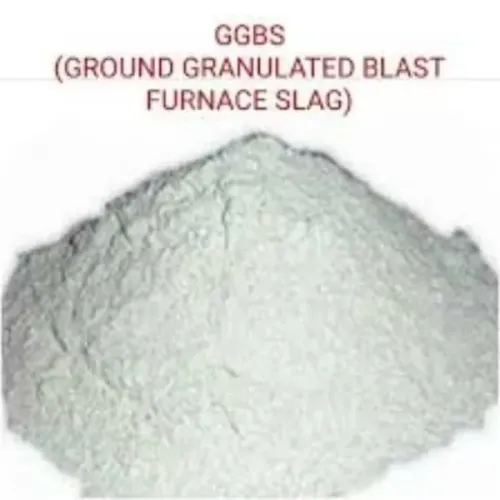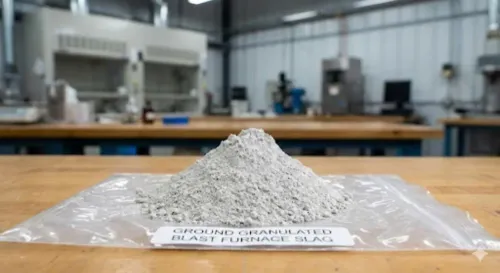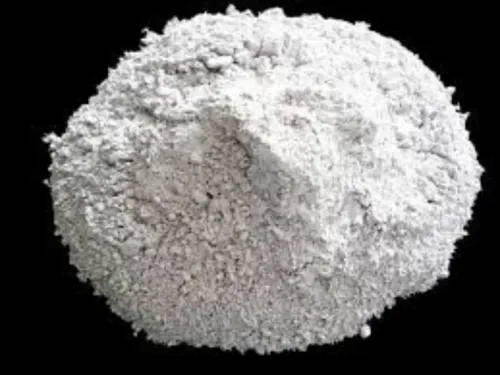
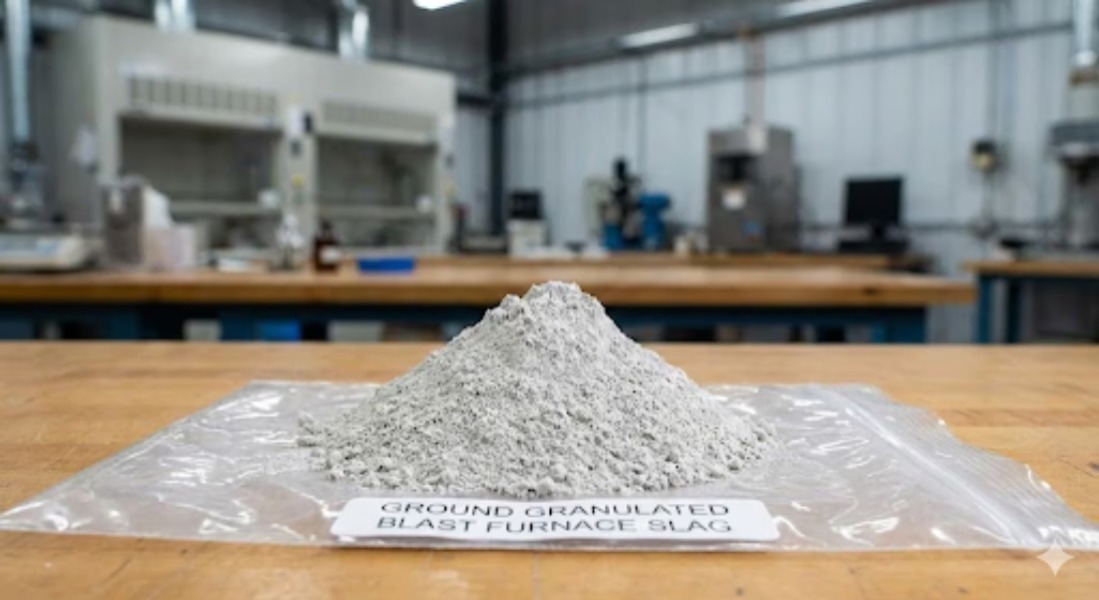
Procuring construction materials is about more than securing competitive pricing. For contractors, developers, ready-mix concrete manufacturers, and infrastructure companies, selecting the right supplier can directly influence concrete quality, project timelines, and long-term structural performance. When sourcing Ground Granulated Blast Furnace Slag (GGBS), following a structured procurement checklist helps minimise risks and ensures the material meets project specifications.
Working with experienced ground granulated blast furnace slag manufacturers allows construction professionals to maintain consistency across projects while supporting durable and sustainable concrete production.
Why a Procurement Checklist Is Important
Large construction projects involve multiple stakeholders, tight schedules, and strict quality requirements. Any inconsistency in material supply can affect batching operations, construction progress, and project costs.
A procurement checklist provides a systematic approach to supplier evaluation, helping procurement teams compare manufacturers based on technical capability rather than making decisions based solely on quotations.
Verify Manufacturing Standards
The first step is to understand how the manufacturer produces GGBS and whether consistent quality is maintained throughout the manufacturing process.
Look for manufacturers that have:
- Modern production facilities
- Documented quality management systems
- Routine laboratory testing
- Process monitoring at every production stage
- Batch traceability
These practices improve confidence in the product's consistency and performance.
Review Product Quality
The performance of GGBS depends on its physical and chemical characteristics. Procurement teams should request technical documentation that demonstrates product consistency.
Important quality parameters include:
- Particle fineness
- Chemical composition
- Moisture content
- Physical properties
- Uniformity across production batches
Reliable manufacturers are generally transparent about their testing procedures and quality assurance practices.
Evaluate Production Capacity
Construction projects often require a continuous supply of materials over several weeks or months. Before finalising a supplier, confirm that the manufacturer has adequate production capacity to meet current and future demand.
This is particularly important for:
- Highway construction
- Industrial developments
- Commercial complexes
- High-rise buildings
- Government infrastructure
- Precast concrete manufacturing
An adequate production capacity reduces the risk of supply interruptions.
Assess Delivery Capabilities
Timely deliveries help maintain construction schedules and prevent disruptions at batching plants and project sites.
When evaluating logistics, consider:
- Delivery timelines
- Distribution network
- Ability to handle bulk orders
- Response to urgent requirements
- Regional supply coverage
Manufacturers with efficient logistics systems can support projects more effectively throughout their duration.
Consider Technical Support
A knowledgeable manufacturer offers more than product supply. Technical assistance can help contractors and engineers optimise concrete performance for specific applications.
Support may include:
- Guidance on product applications
- Assistance with concrete mix optimisation
- Technical documentation
- Product performance information
Access to technical expertise can simplify decision-making during complex projects.
Review Industry Experience
Experience often reflects a manufacturer's ability to serve different construction sectors successfully.
Suppliers with a proven track record typically work with:
- Infrastructure contractors
- Ready-mix concrete manufacturers
- Real estate developers
- Industrial construction companies
- Consulting engineers
- Government project contractors
This broad experience indicates an understanding of diverse project requirements.
Why Regional Availability Benefits Projects in Nagpur
Nagpur continues to develop through industrial expansion, commercial construction, transportation infrastructure, and residential projects. Procuring materials from manufacturers with a strong regional presence can improve supply reliability while reducing transportation-related challenges.
For contractors operating across Maharashtra, dependable local availability supports smoother procurement planning and helps maintain construction schedules.
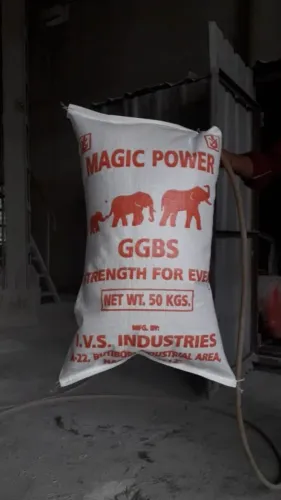
Companies such as IVS Industries manufacture GGBS for a wide range of construction applications, supplying contractors, developers, ready-mix concrete producers, and infrastructure projects with a focus on quality manufacturing and reliable delivery.
Build a Strong Supplier Partnership
Choosing a Ground Granulated Blast Furnace Slag manufacturer should be viewed as a long-term partnership rather than a one-time purchase. Manufacturers that consistently deliver quality products, maintain dependable supply chains, and provide technical support contribute to smoother project execution and improved concrete performance.
By following a structured procurement checklist, construction professionals can make informed sourcing decisions that reduce project risks, improve material consistency, and support the successful completion of durable, high-quality construction projects.
Keywords