Concrete may meet its required strength at 28 days and still face durability challenges over a much longer service life. Water ingress, aggressive exposure, cracking, permeability, and chemical attack can gradually affect structural performance.
This is why modern concrete specifications increasingly consider durability alongside compressive strength.
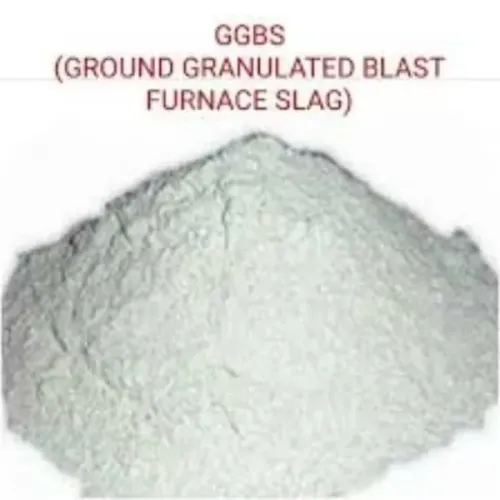
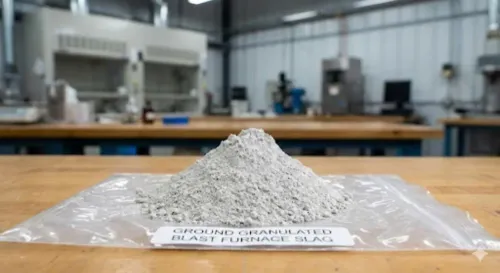
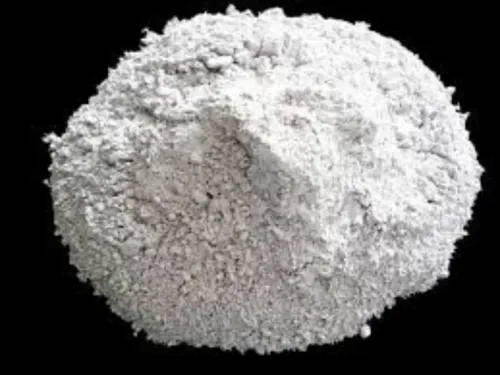
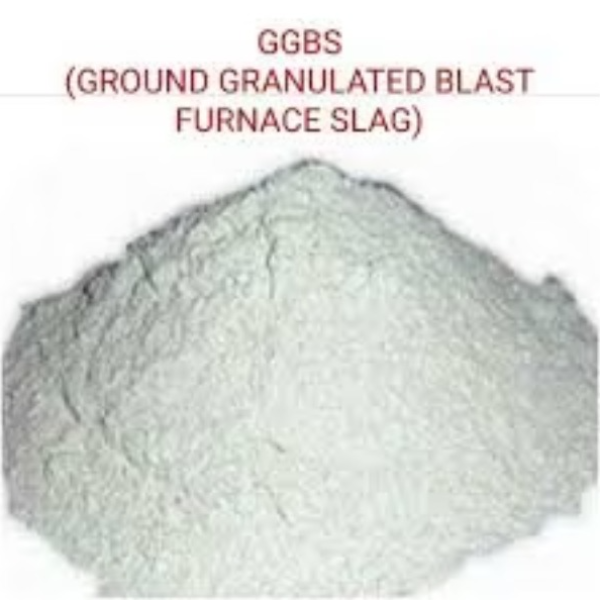
Materials supplied by GGBS Cement manufacturers can form part of this durability-focused approach when GGBS is incorporated into a properly engineered binder system.
Strength Alone Does Not Define Good Concrete
Compressive strength is one of the most widely measured concrete properties, but it does not tell the entire story.
Durable concrete also depends on:
- Low and controlled permeability
- Suitable water-binder ratio
- Adequate compaction
- Proper curing
- Appropriate material selection
- Correct cover to reinforcement
- Exposure-specific mix design
- Consistent production practices
GGBS can support several of these performance objectives, particularly through its contribution to the cementitious matrix.
How GGBS Can Influence Concrete Microstructure
When Portland cement hydrates, it produces compounds that contribute to concrete strength along with other reaction products.
GGBS participates in additional cementitious reactions in the presence of an activating environment created by the cement system. Over time, these reactions can contribute to a denser microstructure.
A denser concrete matrix can be beneficial where limiting the movement of water and certain aggressive substances through concrete is important.
Lower Permeability Can Improve Durability
Many deterioration mechanisms involve the penetration of water, chlorides, sulphates, carbon dioxide, or other substances into concrete.
Reducing permeability is therefore an important durability strategy.
GGBS-containing concrete can provide useful permeability characteristics when the mix is correctly proportioned, placed, compacted, and cured.
Material selection alone cannot compensate for poor workmanship. Even a technically strong mix can perform badly if excess water is added at site or curing is inadequate.
Applications Where Durability Matters
GGBS may be considered for a wide variety of construction applications, including:
- Structural foundations
- Industrial flooring
- Infrastructure projects
- Water-retaining structures
- Large concrete elements
- Underground structures
- Precast components
- Ready-mix concrete
- Selected high-performance concrete applications
The appropriate GGBS level depends on the application rather than a universal percentage.
Heat Development Is Another Consideration
Large concrete pours can generate substantial heat as cement hydrates. Excessive temperature differentials within massive elements can increase the risk of thermal cracking.
GGBS is frequently considered in mass concrete mix designs because its use can modify the heat-development characteristics of the binder system.
For raft foundations and other substantial pours, engineers should assess thermal behaviour together with strength-development requirements.
Curing Becomes Particularly Important
One mistake is to specify a sophisticated concrete mix and then underestimate curing.
GGBS concrete needs appropriate curing to support its intended hydration and strength-development processes. Site teams should follow the curing requirements established for the particular mix, structural element, and environmental conditions.
Nagpur's seasonal temperature conditions make practical site planning important. Concrete placement and curing procedures should account for actual weather rather than relying on a fixed routine throughout the year.
Material Consistency Supports Mix Reliability
Concrete producers need predictable raw materials to maintain controlled batching.
When selecting GGBS, buyers should assess relevant physical and chemical characteristics, consistency between batches, fineness, storage, and supply capability.
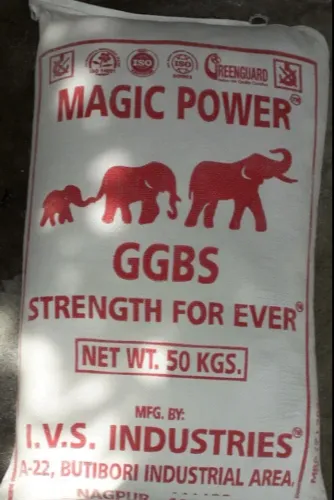
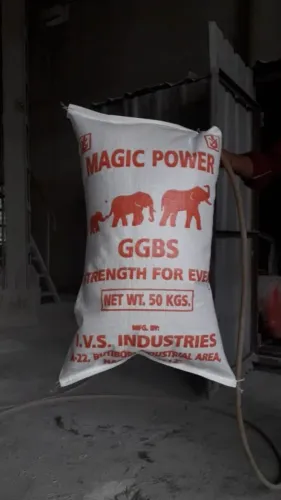
IVS Industries works within the GGBS manufacturing segment and supplies material for construction applications where performance and consistency are important procurement considerations.
Durability is ultimately the result of an entire system. GGBS can make a valuable contribution, but successful concrete still requires appropriate engineering, controlled production, careful placement, adequate compaction, and proper curing.
When these elements work together, GGBS-containing concrete can become an effective option for structures designed with long-term performance in mind.
Keywords